
Choice hinges on throughput, space, and task specifics. Benchtop units suit labs needing flexibility, moderate batch sizes, lower power use, and easy relocation. Floor-standing centrifuges fit high-volume, continuous operations that demand larger rotors Lab centrifuge, higher g-forces, stronger vibration control, and dedicated installation. Safety, maintenance needs, and warranty support also differ, with floor models often requiring professional service. Continue to the full guide to see detailed comparisons and selection tips.
Decision Framework: Benchtop vs Floor Centrifuges
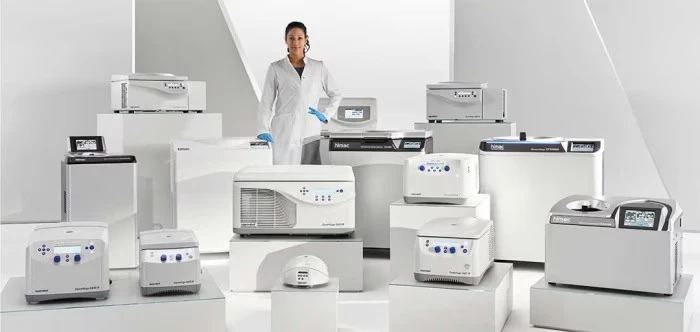
When selecting between a benchtop and a floor centrifuge, the decision framework centers on sample throughput, space constraints, and application-specific requirements https://laballiance.com.my/. The evaluator weighs mobility against permanence: benchtop units favor operators needing flexible placement and quick relocation, while floor models suit fixed workflows demanding larger capacities.
Consider noise, vibration isolation, and electrical access, since quieter, compact options offer greater discretion and autonomy in shared spaces. Maintenance access and serviceability inform long-term independence; simpler user interfaces and modular components reduce downtime.
Safety features—lid locks, imbalance detection, and clear certification—enable confident operation without constant supervision. Cost assessments balance initial outlay with lifecycle expenses, aligning procurement with the user’s desire for operational freedom and minimal constraints.
Capacity and Throughput: Benchtop vs Floor Models
How much sample volume and cycle frequency a laboratory requires often determines whether a benchtop or floor centrifuge is appropriate. Benchtop units suit labs valuing flexibility and limited space: they handle moderate batch sizes, enable quick turnarounds, and support varied tasks without large footprints.
Floor models favor sustained, high-throughput workflows, accommodating larger rotors and more tubes per run to minimize cycle counts. Choice depends on predictable demand versus variable workloads; smaller teams benefit from compact freedom to reconfigure, while facilities with continuous processing gain efficiency from floor machines.
Operational considerations include loading ergonomics, storage of consumables, and ease of staging runs. Evaluating typical daily volumes and desired autonomy clarifies which option aligns with operational tempo and growth plans.
Speed, Rotors, and Sample Compatibility
Why choose a particular speed or rotor configuration? The choice governs separation quality, sample integrity, and procedural flexibility. Benchtop units often offer moderate maximum RPMs and fixed-angle or swing-bucket rotors suited to routine separations, enabling users to change set-ups quickly and operate with autonomy.
Floor-standing centrifuges deliver higher centrifugal forces and a broader rotor selection—swing-buckets, fixed-angle, large-volume buckets, and specialized rotors for plates or ultracentrifugation—supporting demanding protocols and diverse sample types.
Compatibility considerations include tube size, material, balance requirements, and temperature control to protect sensitive specimens. Users valuing freedom should match rotor geometry and speed range to intended assays, confirm adapter availability for various tubes or plates, and prioritize instruments that permit straightforward rotor swaps and secure, reproducible runs.
Footprint, Installation, and Running Costs
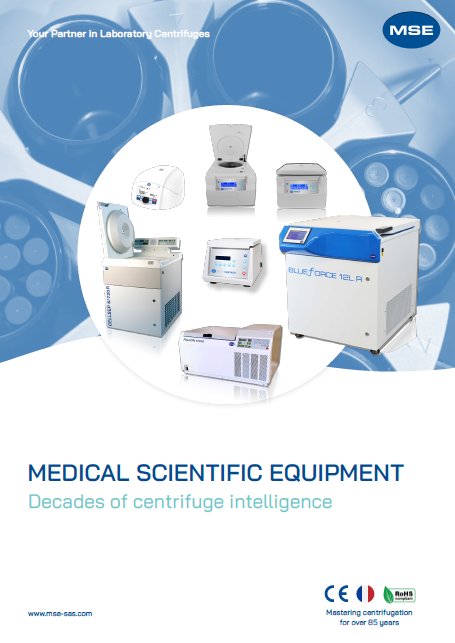
Although footprint and installation demands differ between benchtop and floor models, both dimensions directly affect lab layout, utility needs, and long-term operating expenses.
Benchtop centrifuges conserve floor space and grant flexibility: they fit on existing benches, require minimal site modifications, and enable quick reconfiguration of workstations.
Floor-standing units need dedicated space, stronger flooring in some cases, and often more extensive electrical provision, limiting immediate relocation but supporting larger throughput.
Running costs diverge as well: smaller motors and lower power draw favor benchtops for intermittent use, while high-capacity floor models may be more energy-efficient per sample during heavy, continuous operation.
Choice hinges on desired autonomy—whether prioritizing mobility and low upfront impact or maximizing scale and per-run economy.
Maintenance, Safety, and Warranties
When comparing maintenance, safety, and warranty considerations for benchtop versus floor centrifuges, users must weigh service frequency, risk profiles, and coverage terms.
Benchtop models typically demand simpler upkeep: routine rotor inspections, bearing checks, and occasional calibration that owners can schedule flexibly, preserving operational autonomy.
Floor centrifuges often require more frequent professional servicing due to heavier loads, complex suspension systems, and stricter alignment needs, which may tie users to service contracts.
Safety features differ: benchtops emphasize lid locks and imbalance detection, while floor units add vibration dampening, larger enclosures, and enhanced access controls.
Warranty terms vary by manufacturer; extended plans and on-site support are common for floor units, whereas benchtops often come with shorter, more limited coverage.
Users should match warranty scope to usage intensity.
Conclusion
Choosing between a benchtop and a floor-standing centrifuge hinges on specific laboratory needs. Benchtop models suit low-to-moderate throughput, limited space, and budget-conscious labs, offering simplicity and lower running costs. Floor-standing units serve high-throughput, large-volume workflows, with greater speed, rotor versatility, and durability but higher installation and maintenance demands. Ultimately, matching capacity, sample types, footprint, and long-term cost expectations guarantees the selected centrifuge best supports workflow efficiency, safety, and research goals.